
Short-Term vs. Long-Term Rentals in Seattle: Which is More Profitable?
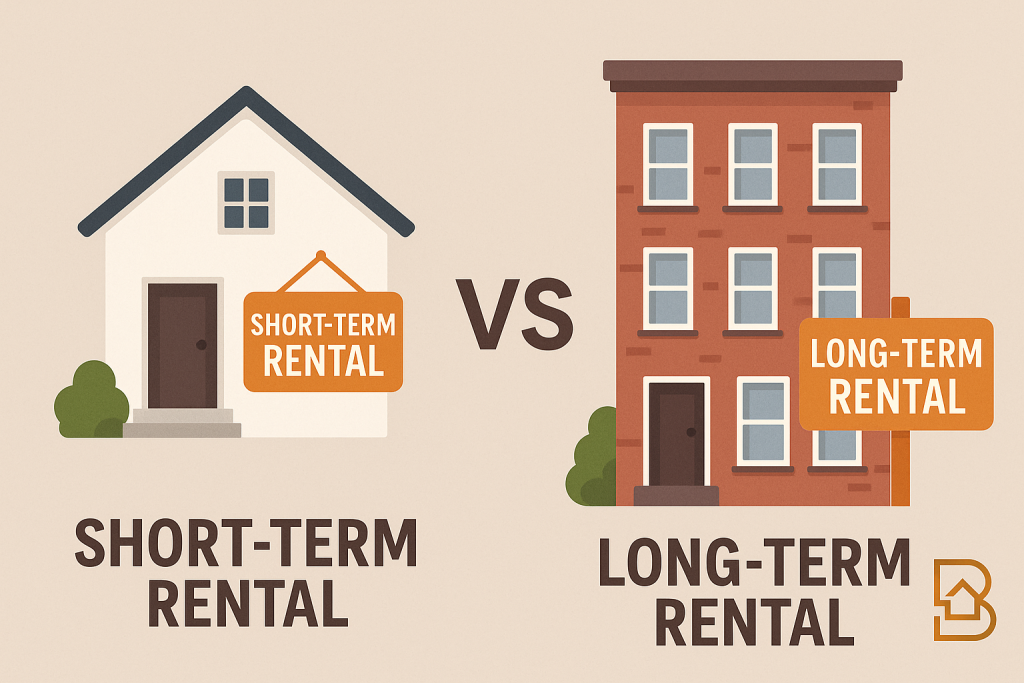
For property investors in Seattle, the choice between a short-term rental (STR) like Airbnb and a traditional long-term rental (LTR) is a critical decision. Both strategies have the potential to be highly profitable, but they come with very different levels of effort, risk, and legal complexity.
So, which one is right for your property in the Pacific Northwest? Let’s break down the pros and cons of each to help you make an informed choice.
The Case for Short-Term Rentals (STRs)
STRs in Seattle, particularly in desirable tourist areas like Capitol Hill, Ballard, or downtown, can generate significantly more revenue than LTRs. The dynamic pricing model allows you to capitalize on peak seasons, holidays, and major events like a Seahawks game or a major tech conference.
Pros:
- Higher Earning Potential: On a per-night basis, STRs can command a much higher rate. Data from early 2025 shows that a typical short-term rental in Seattle can have an average annual revenue of around $40,000, with some properties earning much more. This can be significantly higher than the average long-term monthly rent in the city.
- Flexibility and Personal Use: You have the freedom to block out dates for personal use, whether for a family visit or a weekend getaway.
- Property Condition: With a high turnover, your property is regularly cleaned and inspected, which helps you stay on top of maintenance and address issues quickly.
Cons:
- High Operational Costs: STRs are a hands-on business. You’ll have expenses that LTRs don’t, including professional cleaning services after every guest, restocking amenities like toilet paper and coffee, and higher utility bills. These costs can eat up to 50% of your revenue.
- Inconsistent Income: Your earnings are not guaranteed. They fluctuate with seasonality and tourism demand. You could have a fully booked summer followed by a slow, low-occupancy winter.
- Intensive Management: This is not passive income. You are responsible for marketing, guest communication, check-ins, cleaning, maintenance, and handling emergencies 24/7.
- Complex Regulations: Seattle has strict rules for STRs. To operate legally, you must obtain a Seattle business license and a separate short-term rental operator’s license. The city also has specific requirements, such as a one-secondary-unit limit for most hosts, and a prohibition on STRs in some land use zones.
The Case for Long-Term Rentals (LTRs)
A traditional long-term rental offers stability and a more predictable income stream. While the monthly revenue may be lower than a fully booked STR, the reduced costs and management effort often make it a more attractive option for many investors.
Pros:
- Stable, Predictable Income: With a signed lease agreement, you have a guaranteed monthly income for the duration of the lease (typically 12 months). This stability makes budgeting and financial planning much easier.
- Lower Management Effort: Once a tenant is placed, the day-to-day work is minimal. You’re primarily responsible for rent collection and occasional maintenance requests. This makes LTRs an excellent source of passive income.
- Lower Operating Costs: Your expenses are significantly lower. Tenants typically pay for their own utilities, and you don’t have the high turnover costs associated with frequent cleaning and restocking.
- Fewer Regulations: While Seattle has a robust set of landlord-tenant laws, including the First-in-Time rule and the Rental Registration and Inspection Ordinance (RRIO), they are generally more straightforward to navigate than the layered regulations for STRs.
Cons:
- Slower Growth on Income: Your rent is fixed for the lease term. While you can increase it upon renewal, new state laws capping rent increases and Seattle’s stricter notice requirements mean you cannot raise rent as quickly or dramatically as you might in a short-term market.
- Wear and Tear: A single tenant for a long period can cause more wear and tear on the property than a series of short-term guests.
- Risk of Problematic Tenants: While careful screening helps, a single problematic tenant who pays rent late or damages the property can be a major headache and a significant financial drain.
The Verdict
For an investor who lives far from their property or is looking for a truly hands-off income stream, a long-term rental is almost always the better choice. The stable income and reduced management effort offer a great return with less stress.
For a hands-on owner who lives in or near the property and is willing to dedicate the time to management, a short-term rental could be a better fit, especially if your property is in a high-demand tourist area. The potential for a higher gross income can be alluring, but it’s important to be honest about the time commitment and the need to navigate Seattle’s complex and evolving legal landscape.